How to Bet on the Grand National: A First-Timer’s Guide to the World’s Biggest Race
 Available in US
Why the Grand National Attracts 10 Million First-Time Punters
I have covered dozens of races each season for nine years, but nothing in the calendar matches the sheer volume of messages I get on Grand National day. Friends who never watch racing, colleagues who could not name a single jockey, family members who last placed a bet when Red Rum was still a household name — they all want the same thing: “Just tell me which horse to back.” The Grand National does that to people. It turns an entire country into punters for one afternoon.
The numbers confirm the phenomenon. Around 250 million pounds is wagered on this single race each year, dwarfing every other fixture in the British racing calendar by a staggering margin. That figure is roughly 700 percent more than what the Cheltenham Gold Cup generates. No other sporting event in the UK concentrates so much betting activity into four and a half miles of turf.
What makes the Grand National unique is not just the spectacle of forty horses tackling thirty fences over the longest distance in mainstream racing. It is the fact that this race was designed to be unpredictable. Huge fields, stamina-sapping ground, and obstacles like Becher’s Brook mean that outsiders win regularly — which is precisely why casual punters feel they have a genuine shot. And they are not entirely wrong. But having a shot and having a plan are two different things. This guide is about giving you the plan.
40 Runners, More Places: How Grand National Place Terms Work
A 12-runner handicap at Kempton pays two places each way. The Grand National pays four as standard. That difference alone changes the entire calculus of betting on this race, and if you take nothing else from this article, take this: each-way betting is the natural fit for the National.
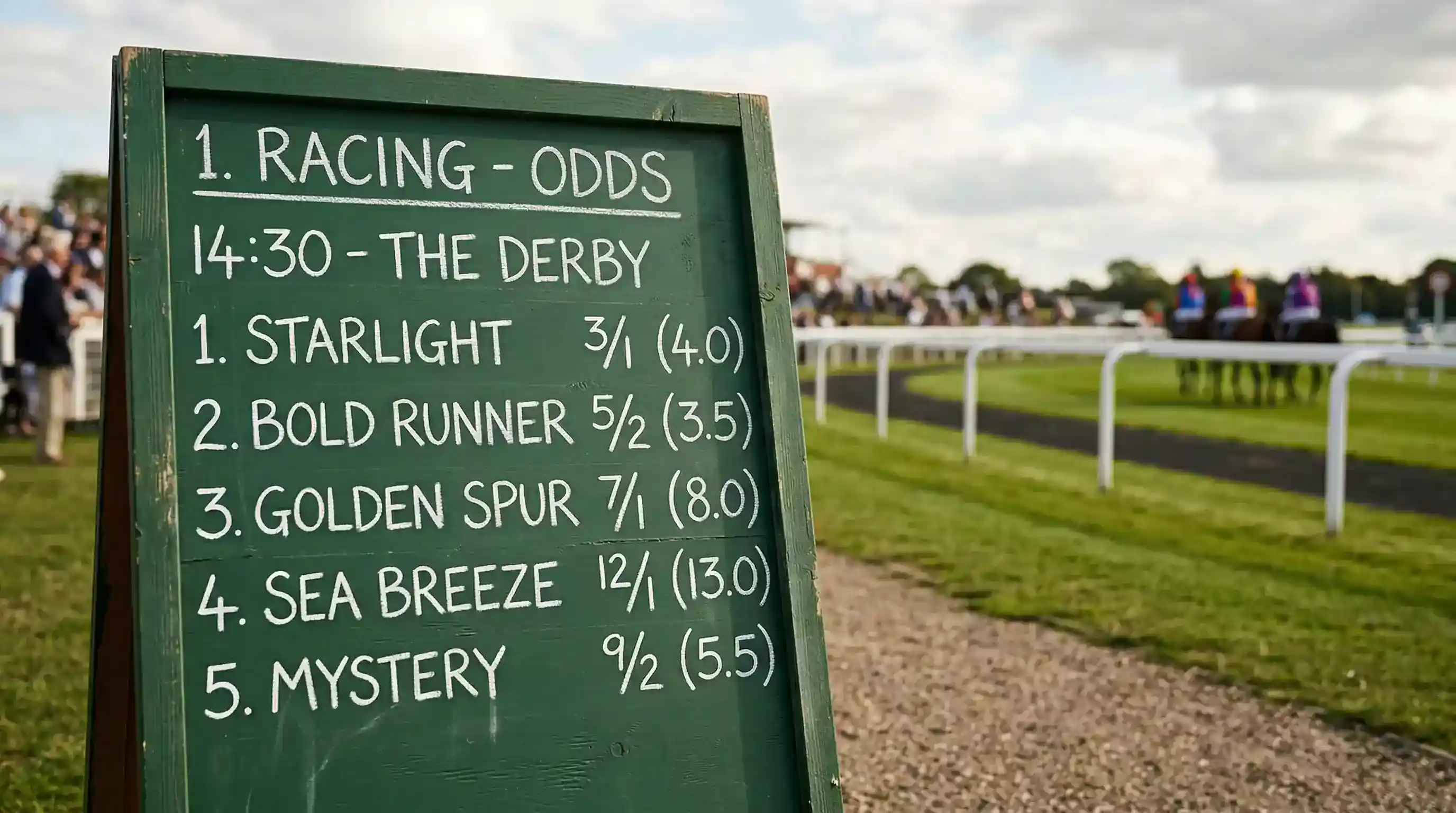
Standard each-way terms for the Grand National are one-quarter the odds for the first four finishers. So if you back a horse at 20/1 each way with a five-pound stake, you are placing two separate bets totalling ten pounds. If your horse wins, you collect the win part (20 x 5 = 100 pounds plus your stake) and the place part (5 x 5 = 25 pounds plus your stake). If it finishes second, third, or fourth, you collect only the place part — 30 pounds returned on a 10-pound total outlay.
But here is where things get interesting. Most major bookmakers enhance their Grand National place terms well beyond the standard four. Six places, sometimes seven or eight, are common promotional offers. These enhanced terms dramatically shift the odds in favour of an each-way approach. In a 40-runner race with eight paying places, you are covering 20 percent of the field for a place. That is a significant edge over normal racing conditions.
One detail that catches first-timers off guard: non-runners. If horses are withdrawn after the final declarations, the number of paying places can be reduced. A field that drops from 40 to 34 runners might see bookmakers pull back from eight places to six. Always check the terms on the morning of the race, not just when you place your bet days earlier.
When to Bet: Ante-Post vs Race-Day Odds
Every January, someone sends me a screenshot of a Grand National ante-post bet they placed at 66/1. By April, that same horse is 25/1. They feel like a genius. What they do not mention is the three other ante-post bets from previous years where the horse never even made it to Aintree.
Ante-post betting — placing your wager weeks or months before the race — offers significantly bigger odds because you are absorbing the risk that the horse might not run. There are no refunds on ante-post bets if your selection is withdrawn. The horse could get injured in training, fail to qualify, or simply not be entered by connections. Your stake is gone.
Race-day odds are shorter, but they come with a safety net. If your horse is a non-runner on the day, your stake is returned. For a first-time bettor, I would lean towards race-day prices unless you have a strong conviction about a specific horse and understand you are accepting the non-runner risk entirely.
There is a middle ground worth knowing about. Some bookmakers offer “non-runner, no bet” promotions on the Grand National in the weeks leading up to the race. These give you ante-post prices with the protection of a refund if the horse does not run. If you spot one, it is worth considering — you get the best of both worlds. Just check whether the offer has a minimum odds restriction or other conditions attached.
How to Pick a Grand National Horse Without Guessing
The office sweep method — pulling a name from a hat — is fun, but it is not a strategy. Even in a race as unpredictable as the Grand National, certain factors separate the contenders from the no-hopers. You do not need to be an expert to apply them.
Start with age and weight. The sweet spot for Grand National winners historically sits between eight and ten years old. Younger horses often lack the experience to handle Aintree’s unique fences, while older ones tend to tire over the extreme distance. Weight matters too: horses carrying less than 11 stone have a stronger recent record than those lumbered with top weight. The handicapper’s job is to level the field, but the Grand National’s demands mean that lighter-weighted runners have a physical advantage over four miles and two furlongs.
Next, look at form over distance. A horse that has won over three miles or more has proven it can stay — the Grand National demands even more stamina than that, but distance form is a prerequisite. Horses stepping up massively in trip for the first time are a gamble within a gamble.
Fence-jumping ability is the filter most casual bettors ignore. Check whether a horse has completed the course at Aintree before, ideally in the Topham Trophy or Becher Chase — both run over the National fences. A horse that has schooled well over these obstacles has a tangible advantage over one encountering them for the first time.
Finally, the going. Aintree’s ground varies year to year, and some horses are simply not built for heavy ground. If the forecast is wet, look for horses with proven soft-ground form. If it is drying out, favour those comfortable on good ground. This single factor can eliminate a third of the field before you even consider anything else.
The Black-Market Problem: Why Licensed Bookmakers Matter
Here is a statistic that should give every punter pause: an estimated 10 million pounds in Grand National bets flows to unlicensed operators each year. Grainne Hurst, the Chief Executive of the Betting and Gaming Council, has been blunt about what that means — those operators fuel crime, ignore safer gambling protections, and contribute nothing to the sport through the levy or taxation.
For a first-time bettor, the risk is personal. An unlicensed site has no obligation to pay out your winnings, no dispute resolution mechanism, and no regulatory body to hold it accountable. Before you place a single pound on the Grand National, check that your chosen bookmaker holds a UK Gambling Commission licence. You can verify this in seconds on the UKGC’s public register. If the site is not listed, walk away — no matter how generous the odds look.
Your Grand National Bet Starts With a Plan, Not a Pin
The Grand National rewards patience more than instinct. Check the enhanced place terms your bookmaker is offering, decide whether ante-post risk suits your appetite, run through the basics — age, weight, distance form, fencing record, ground preference — and set a stake you are entirely comfortable losing. This is one race, not a season-long campaign.
If you are new to each-way betting, spend five minutes understanding how the place part of your bet is calculated before the Grand National. It will be the difference between confusion and enjoyment when the result comes in.
How many places are paid each way in the Grand National?
Standard each-way terms for the Grand National pay out on the first four places at one-quarter the odds. However, many bookmakers offer enhanced place terms — six, seven, or even eight places — as part of their Grand National promotions. Always check the specific terms before placing your bet.
Can I bet on the Grand National months in advance?
Yes. Ante-post markets for the Grand National typically open months before the race. You can often find better odds early on, but the trade-off is significant: if your horse does not run, you lose your stake with no refund. Ante-post bets carry more risk, so only commit what you are comfortable losing entirely.
Written by the editors at First bet Horse Racing.