Horse Racing Going Explained: How Ground Conditions Affect Your Bet
 Available in US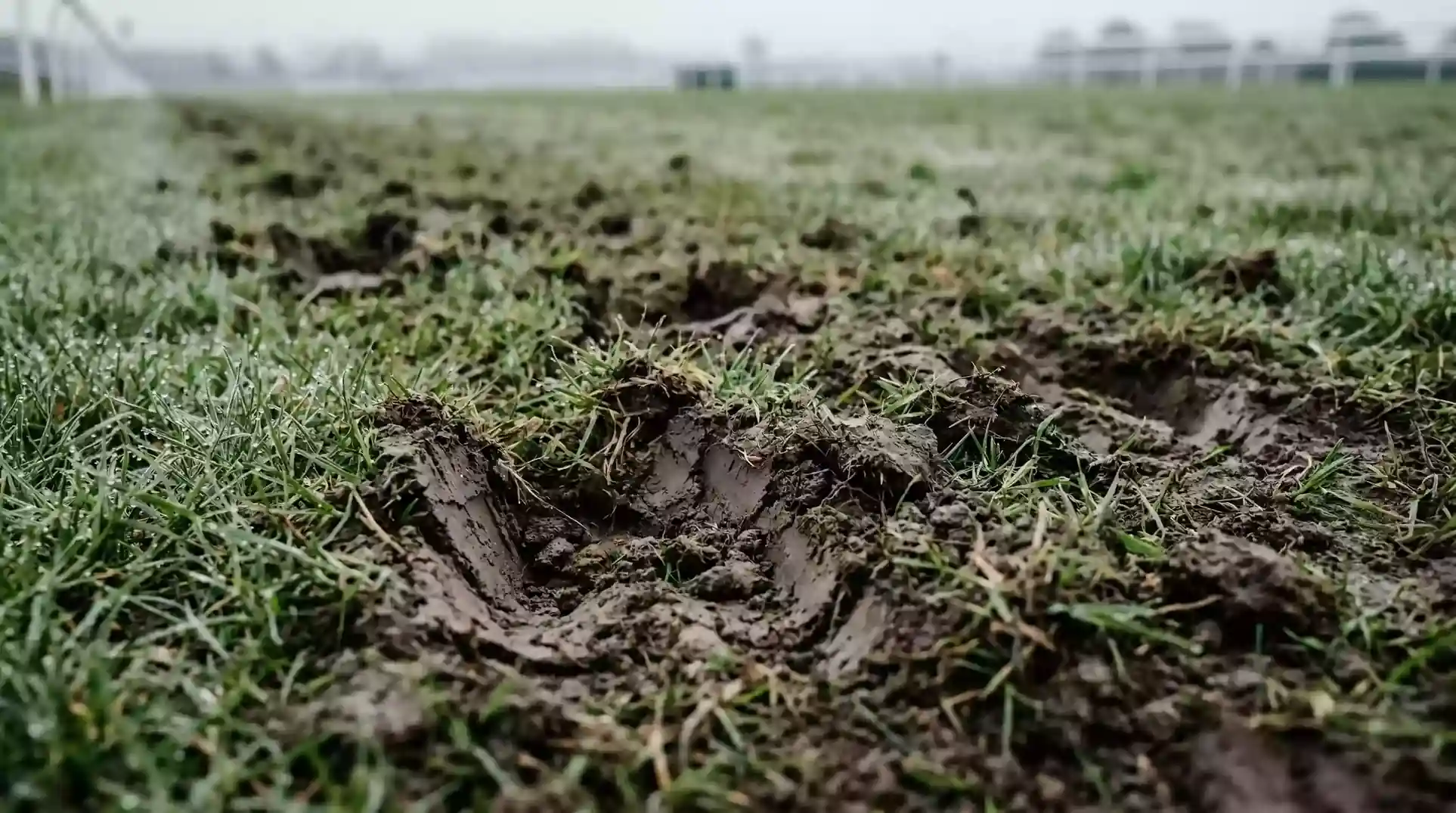
The Ground Under the Hooves: Why Going Is a Bet-Changer
I backed a heavily fancied sprinter at Goodwood one July afternoon. The form was outstanding, the jockey was in red-hot form, the price was right. It finished last. The going had changed from good to firm overnight to good to soft after a storm, and the horse hated cut in the ground. I should have checked. I did not. That five-minute oversight cost me the bet.
One of the key barriers new racegoers face is the complexity of terminology around the sport. Going is arguably the single most overlooked factor in beginner betting, and it is one of the most decisive. The condition of the ground determines how much energy a horse expends with every stride. Some horses float over firm ground but flounder in mud. Others dig into heavy ground like machines but lose their action entirely when the surface dries out. Ignoring going is like ignoring the weather before a sailing race — technically possible, but reckless.
The Going Scale from Hard to Heavy
British racecourses describe going on a scale that runs from hard at the fastest extreme to heavy at the slowest. The official descriptions, as used by clerks of the course and displayed on racecards, follow a standard sequence: hard, firm, good to firm, good, good to soft, soft, heavy. Each step represents a meaningful change in how the ground behaves underfoot.
Hard ground is rarely encountered and generally avoided by clerks of the course because it increases injury risk. Firm is fast ground — low moisture, solid surface. Horses need to handle the concussion, and those with joint issues often struggle. Good to firm is the sweet spot for fast flat racing, particularly on turf during the summer months. Good ground is the most neutral description — neither fast nor slow, suits the widest range of horses.
Good to soft introduces moisture. The ground gives slightly more underfoot, slowing times and favouring horses with stamina. Soft ground is genuinely testing — races are run significantly slower, and the ground pulls at horses’ legs with every stride. Heavy is the extreme: waterlogged, energy-sapping, slow. Races on heavy ground are endurance tests. Only genuine mud-lovers thrive.
You will sometimes see split descriptions like “good to soft, soft in places” or “good, good to firm in places.” These indicate that different parts of the course are riding differently — the rail might be softer than the centre, or the back straight might have dried faster than the home turn. These splits give trainers and jockeys information about which part of the track to target, and they give you a clue about which horses might be disadvantaged by conditions on specific parts of the course.
The Going Stick and How Courses Measure Ground
Average racecourse attendance per fixture climbed to 3,526 in 2025, and every one of those racegoers saw a going report before the first race. But how is that report generated? Not by a groundsman walking the track and guessing. The primary tool is the going stick — a device that measures the penetration and shear of the turf to produce a numerical reading.
The going stick is pushed into the ground at multiple points around the course, and its readings are averaged to produce a number on a scale. Higher numbers indicate firmer ground; lower numbers indicate softer. The clerk of the course translates this reading into the verbal description — good, soft, heavy — that appears on the racecard and in the morning press.
Readings are taken at least twice on race day: first thing in the morning and again closer to the first race. If rain falls during the afternoon, the going can be changed between races. This matters for later races on the card. A meeting that begins on good ground might be riding soft by the fifth race if a heavy shower passes through. If you are betting on races later in the afternoon, check for updated going reports rather than relying on the morning description.
Courses also water artificially during dry spells to maintain safe ground. This is particularly common on the flat during summer. Watering typically brings good to firm ground back to good — preventing the surface from becoming dangerously quick. Knowing that a course has watered can help you anticipate conditions even before the official going is declared.
How Going Preferences Show Up in a Horse’s Form
Every horse has a going preference, and it is written in its form figures if you know where to look. Most form guides use shorthand letters next to previous race results to indicate the ground on which each run took place. A horse that has won three times on soft ground and failed twice on firm is telling you something clear about its preferences.
Trainers know their horses’ ground preferences better than any form guide. When a trainer declares a horse on ground that does not suit it, there is usually a reason — the horse needs a run to build fitness, the race fits strategically regardless of conditions, or the trainer is taking a calculated gamble that the going will change before post time. But when a trainer specifically withdraws a horse on the morning of a race because the going has changed, that is the strongest possible signal. It tells you the trainer values ground conditions above everything else that day.
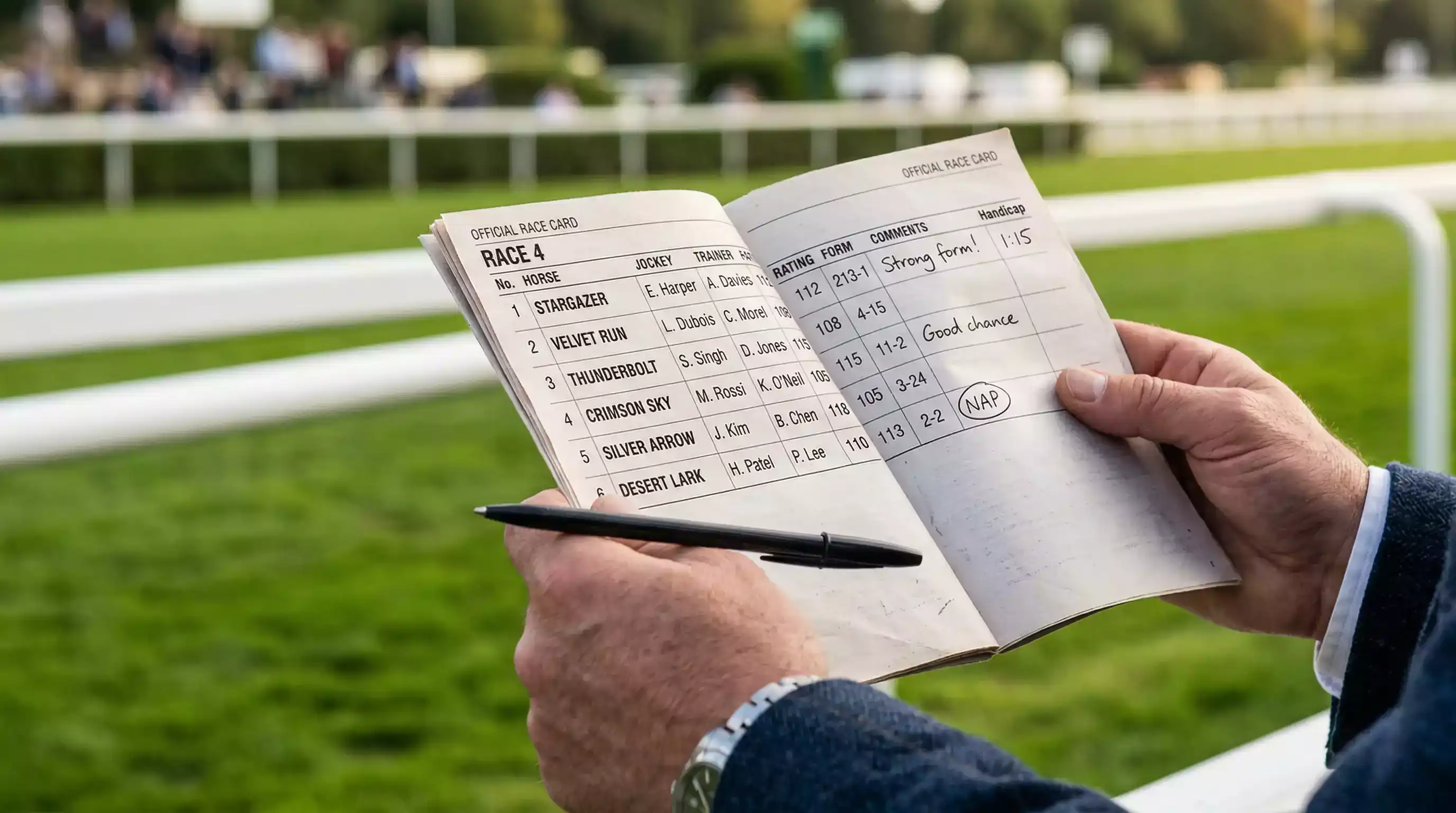
For your betting, the practical approach is straightforward. Before placing any bet, check two things: the official going description for today’s meeting, and the horse’s record on similar ground. If it has never run on soft ground and today’s going is soft, you are taking a risk the form does not support. If it has won three of its last four on soft, the ground is in your favour.
Going on the Flat vs Over Jumps
The flat season runs primarily through summer, which means firmer ground is the default. The jumps season occupies winter and spring, where soft and heavy conditions dominate. This seasonal split creates two distinct pools of horses with different ground preferences.
Flat horses are generally bred for speed on faster surfaces. Many flat-bred horses simply cannot handle soft ground — their action becomes laboured, their stride shortens, and they lose competitive speed. Jumps horses, bred for stamina and durability, tend to tolerate or even prefer softer ground. A National Hunt horse that has been running on heavy ground all winter and suddenly encounters good to firm ground for a late-season race may struggle with the faster pace and firmer surface.
All-weather surfaces — the synthetic tracks at courses like Lingfield, Wolverhampton, and Kempton — remove going from the equation almost entirely. All-weather surfaces ride consistently regardless of weather, which is precisely why some trainers target horses specifically at synthetic tracks. If you are unsure about a horse’s ground preference, its all-weather form tells you about its ability but nothing about how it handles varying turf conditions.
For a broader understanding of how to decode all the information on a racecard — including going indicators — the racecard reading guide covers every field in detail.
Can the going change between the morning forecast and the first race?
Yes. Going reports are updated throughout race day. If rain falls after the morning inspection, the clerk of the course can change the official going before or even between races. Always check for updated going reports closer to post time, especially if weather conditions are variable.
What does ‘good-to-soft in places’ mean?
It means the overall ground is riding good to soft, but certain areas of the course — often near the rail, in hollows, or on specific bends — are softer than the general description. Jockeys use this information to choose their positioning during a race, and it can affect how different horses handle the track.
Published by the First bet Horse Racing team.