Cheltenham Festival Betting Guide: How to Approach Four Days of Championship Racing
 Available in US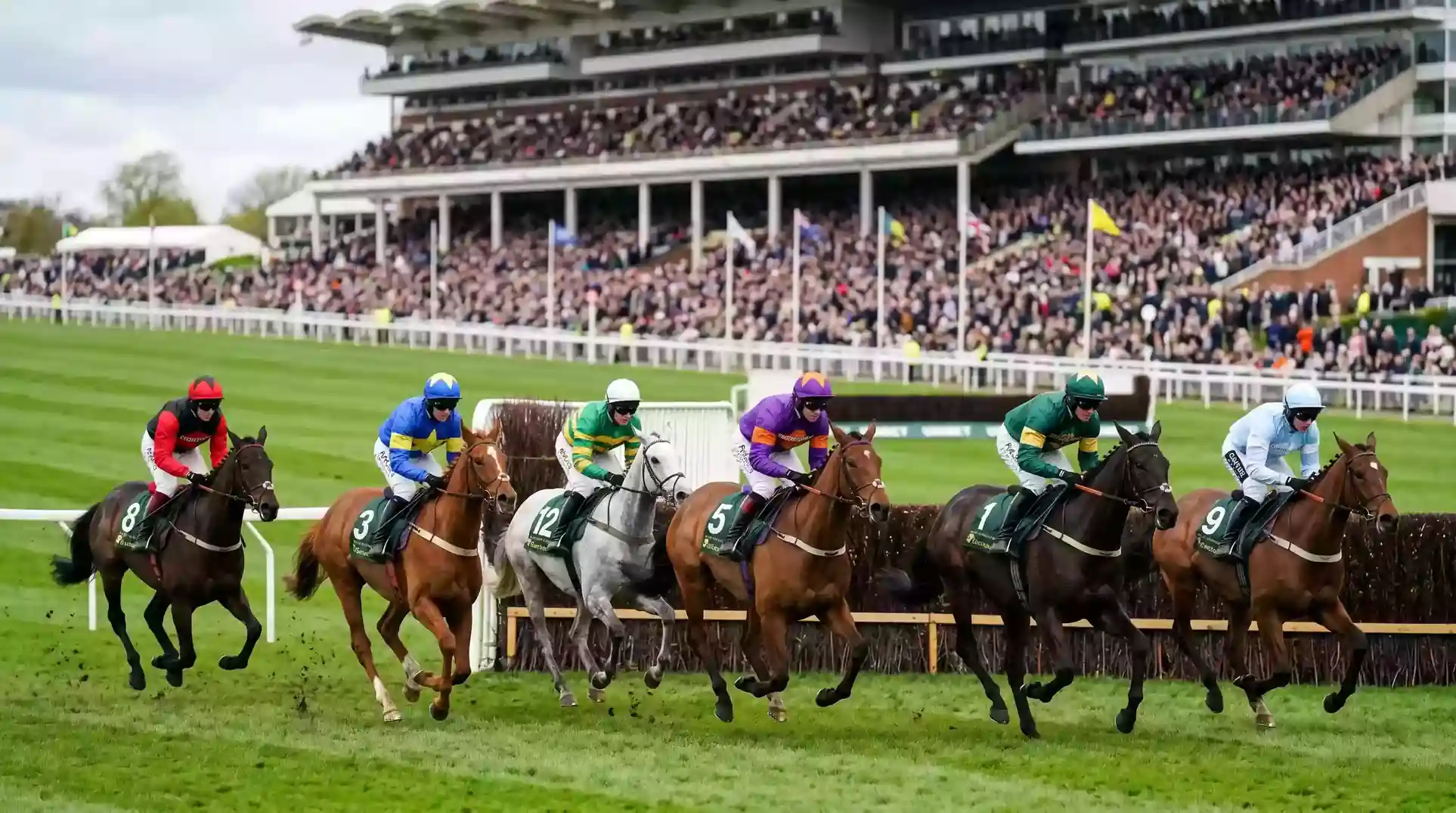
Why Cheltenham Is the Pinnacle of Jump Racing Betting
I have attended every Cheltenham Festival since 2018, and no other meeting in the racing calendar generates the same intensity. The noise when the tapes go up for the Champion Hurdle, the collective gasp when a leader falls at the last in the Gold Cup — it is visceral in a way that no afternoon at Kempton or Newbury can replicate.
The betting figures confirm what the atmosphere suggests. All 28 races at the 2025 Cheltenham Festival ranked in the top 31 most heavily bet races of the entire year. No other meeting comes close to that concentration of wagering activity. For four days in March, Prestbury Park becomes the centre of the British betting world, and the markets attract both sharp professionals and once-a-year punters in roughly equal measure.
Four Days, 28 Races: The Festival Structure
The Festival runs from Tuesday to Friday, with seven races each day. Every day features a championship race as the centrepiece, supported by a mix of handicaps, novice events, and conditions races. Understanding the structure helps you plan your betting rather than reacting impulsively to each race as it comes.
Day one — Champion Day — is headlined by the Champion Hurdle, the two-mile hurdle championship. It is typically the most competitive race of its type all season, drawing the best hurdlers from the UK and Ireland. The supporting card includes the Supreme Novices’ Hurdle and the Arkle Challenge Trophy, both of which reveal the next generation of stars.
Day two — Ladies Day — features the Champion Chase, the two-mile chase championship. This is often the race that produces the most spectacular performances because the best two-mile chasers combine speed with precision over fences. The card also includes the Cross Country Chase, a unique test over banks, ditches, and hedges that attracts a different type of horse entirely.
Day three — St Patrick’s Thursday — is anchored by the Stayers’ Hurdle, the three-mile hurdle championship. Stamina is the defining factor. The Ryanair Chase over two miles five furlongs completes a strong middle distance programme.
Day four — Gold Cup Day — needs no introduction. The Cheltenham Gold Cup is the championship of the staying chaser, run over three miles two furlongs with 22 fences. It is the race that defines careers and crowns legends. The supporting card includes the Triumph Hurdle (for four-year-old hurdlers) and the Martin Pipe Conditional Jockeys’ Handicap Hurdle, which traditionally closes the Festival.
Key Championship Races to Watch
Five million viewers watched Royal Ascot on ITV in 2025, but the Cheltenham Festival consistently draws higher engagement from the betting public because the races are the definitive tests of National Hunt talent. Three races stand above the rest for a first-time Festival bettor.
The Champion Hurdle is the most accessible championship race to bet on. The fields are smaller than the handicaps (typically 10 to 14 runners), the form lines are well established through the season, and the favourite tends to have a clearer profile than in any other Festival race. If you are going to study one race thoroughly, this is the one to start with.
The Gold Cup is the emotional centrepiece, but it is harder to bet on intelligently. Three miles two furlongs over fences is the ultimate test, and horses who look unbeatable on form can come unstuck through fatigue, jumping errors, or the sheer intensity of the occasion. The favourite’s win rate in the Gold Cup is lower than in the Champion Hurdle, reflecting the added unpredictability.
For each-way value, look to the handicaps. Big-field handicaps at the Festival — the Coral Cup, the County Hurdle, the Grand Annual — offer the widest range of place terms and the longest prices. A 20/1 shot finishing fourth in a 24-runner handicap at enhanced place terms can deliver a meaningful return on a modest stake. The handicaps are where the Festival rewards punters who do their homework on form, going, and course suitability rather than simply following the market leaders.
Ante-Post Cheltenham: When Early Betting Pays Off
Ante-post markets for Cheltenham open months before the Festival, and the prices available in November or December are consistently longer than those on the day. The catch, as always with ante-post, is the non-runner risk. A horse you backed at 20/1 in January might not make it to March due to injury, ground concerns, or a change of plan by the trainer.
My approach is selective. For championship races where a standout horse has been pointed at Cheltenham all season — the trainer has publicly stated it is the plan, the horse is healthy, the race conditions suit — the ante-post price offers genuine value. The probability of the horse running is high, and the price will shorten as the Festival approaches. Taking 8/1 in January when the likely day-of-race price will be 4/1 is a significant edge if the horse lines up.
For handicaps, I avoid ante-post entirely. The fields are fluid, the weights are not finalised until close to the meeting, and the non-runner rate is higher because trainers often enter horses in multiple races and decide late which one to target. Ante-post handicap bets are a gamble on top of a gamble.
Festival Specials: Top Jockey, Nap of the Day, Match Bets
Beyond individual races, bookmakers offer a range of Festival specials that provide alternative ways to engage over the four days. The Top Jockey market lets you bet on which rider will have the most winners across the Festival. This market is dominated by a handful of names — the leading Irish and UK riders typically command the shortest prices — but it offers a season-long narrative that adds interest to every race.
Match bets pit two specific horses or jockeys against each other, regardless of where they finish overall. If you have a strong opinion about which of two prominent runners will finish ahead of the other, a match bet isolates that judgement from the noise of the wider race result.
Specials can also include bets on the number of Irish-trained winners, the winning distances in specific races, and whether any race will produce a dead heat. These are fun markets, but they are harder to analyse with any rigour. Treat them as entertainment — a way to add interest to races you have not studied in depth — rather than as serious betting propositions.
For a fuller understanding of the bet types available across the Festival — from singles to Lucky 15s — the bet types guide covers every format.
How many extra places are typically offered at Cheltenham?
Bookmakers frequently offer enhanced place terms during the Cheltenham Festival, particularly on the big handicap races. It is common to see five or six paying places instead of the standard three or four. These promotions vary between operators and are often announced in the week leading up to the Festival. Always check the specific place terms attached to your bet before confirming it.
When is the best time to place ante-post bets for the Festival?
The best value is typically found earliest — November to January — when prices are longest. However, this also carries the most risk because injuries and changes of plan are common over the winter months. A middle-ground approach is to wait until after the main trials in January and February, which provide stronger form evidence while still offering ante-post prices that are longer than day-of-race odds. Avoid ante-post bets on handicaps entirely, as fields and weights are too fluid.
Published by the First bet Horse Racing team.