Horse Racing Black-Market Betting: Why Unlicensed Sites Are Growing and How to Avoid Them
 Available in US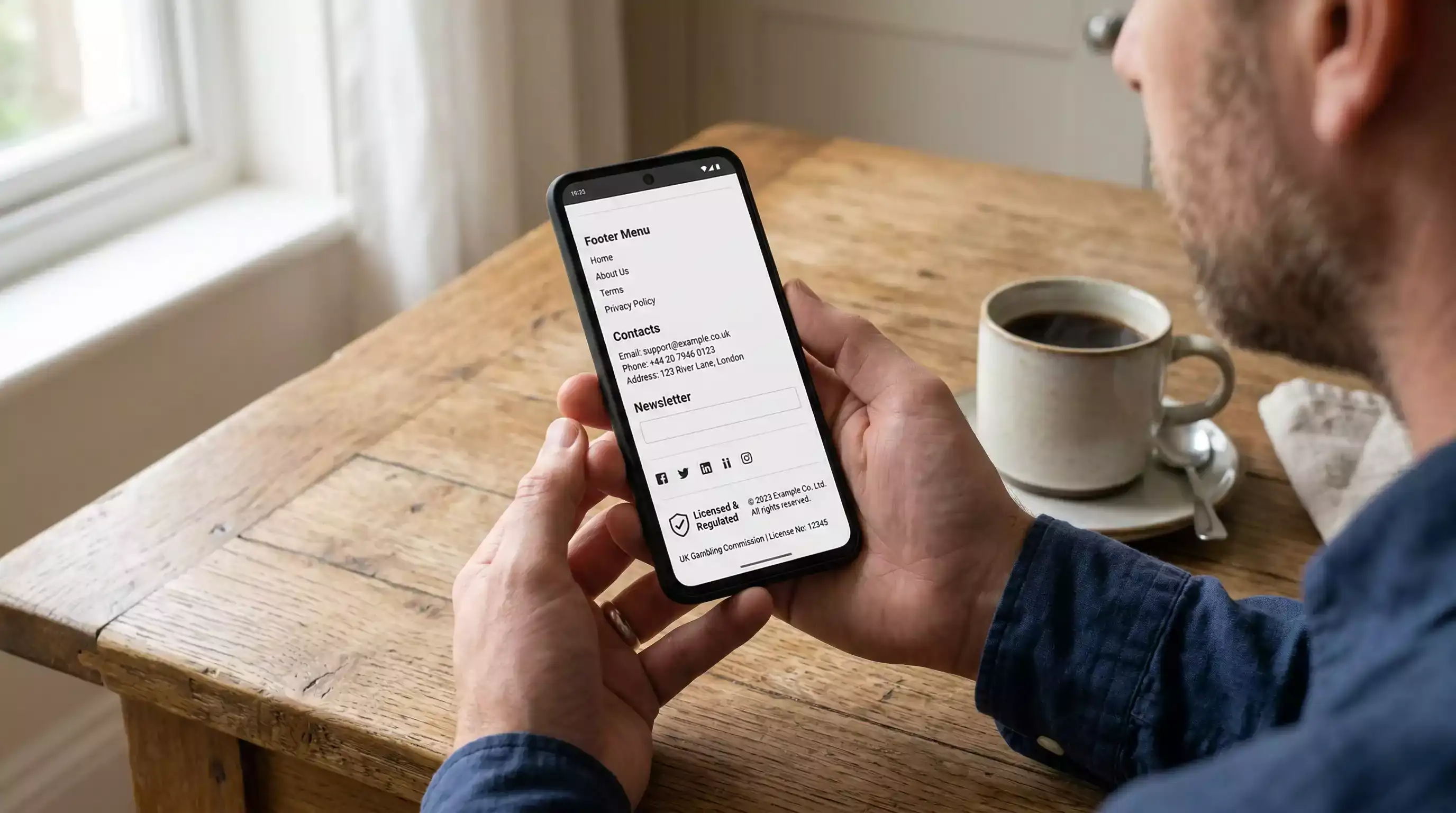
9% of the UK Online Market — and Zero Protections
A punter I know — experienced, sharp, someone who understood odds and form better than most — told me last year that he had moved a chunk of his betting to an offshore site. No affordability checks, no account restrictions, higher stake limits. I asked him what would happen if the site refused to pay out a five-figure winning bet. He went quiet. He had not considered it.
Research by Yield Sec found that unlicensed operators now control approximately 9 percent of the UK online gambling market, generating an estimated 379 million pounds in gross gaming revenue during the first half of 2025 alone. These are not amateur operations. They are sophisticated platforms with polished interfaces, competitive odds, and marketing strategies specifically designed to attract UK bettors who are frustrated with the regulated market.
Why the Black Market Is Growing
One in three punters staking 1,000 pounds or more per transaction has used an unregulated betting site in the past 12 months. That statistic from the Racing Post’s Big Punting Survey is startling, but the reasons behind it are not mysterious. They are a direct consequence of the regulatory environment.
Affordability checks are the primary driver. Since the Gambling Commission lowered the financial vulnerability threshold to 150 pounds in net monthly deposits, bettors who previously operated comfortably within the regulated market have found their accounts restricted, their stakes limited, and their personal finances scrutinised. For a punter who bets responsibly within their means but spends more than 150 pounds a month, the regulated experience has become friction-heavy in a way it was not two years ago.
Account restrictions compound the problem. Licensed bookmakers routinely limit or close accounts belonging to winning customers — a practice that is legal but widely resented. A bettor whose stakes have been cut to two pounds on a UKGC-licensed site can find an offshore alternative that accepts whatever they want to stake. The temptation is obvious, even if the risks are severe.
The tax reforms announced in the 2025 Budget — particularly the near-doubling of online gaming duty — may accelerate migration further. Operators facing higher tax bills may tighten their odds and reduce promotions, making the regulated product less attractive relative to unlicensed alternatives that pay no UK tax at all.
What You Risk Betting With an Unlicensed Operator
Grainne Hurst, the Betting and Gaming Council’s Chief Executive, has described unlicensed operators as parasites who do not pay tax, do not care about safer gambling, and do not contribute a penny to the levy that funds the sport. The language is strong, but the substance is accurate. Here is what you give up when you move outside the UKGC-regulated market.
No guaranteed payouts. If an unlicensed site decides not to pay your winning bet, you have no recourse. There is no regulator to complain to, no alternative dispute resolution service, and no legal framework that compels them to honour the bet. Your funds exist at the operator’s discretion.
No data protection. UKGC-licensed operators are bound by UK data protection law. Unlicensed sites are not. Your personal information — name, address, bank details, betting history — can be used, sold, or leaked without consequence. There is no Information Commissioner’s Office enforcement on a company operating from Curacao or Costa Rica.
No safer gambling tools. GamStop self-exclusion does not apply to unlicensed sites. Deposit limits, reality checks, and session time limits — all mandated by the UKGC — are absent. If you develop a problem with your gambling, unlicensed operators offer no safety net. The regulatory infrastructure that exists specifically to protect you is missing entirely.
No contribution to the sport. Licensed bookmakers fund horse racing through the Horserace Betting Levy. They pay tax that supports public services. They contribute to integrity systems that investigate match-fixing and suspicious betting. Unlicensed operators do none of this. Every pound staked with them is a pound removed from the ecosystem that sustains the racing you are betting on.
How to Verify a Bookmaker’s UKGC Licence
Checking whether a betting site is licensed takes less than a minute. The UK Gambling Commission maintains a public register of all licensed operators on its website. You can search by company name and confirm whether the operator holds a valid remote operating licence for gambling services in Great Britain.
Every UKGC-licensed site must display its licence number in a visible location — typically in the footer of every page. If you cannot find a licence number anywhere on the site, that is a strong indicator that the operator is unlicensed. Some unlicensed sites display fake licence numbers or claim regulation by offshore jurisdictions (Curacao, Malta for non-UK operations, Isle of Man) — these are not equivalent to UKGC regulation and offer significantly weaker protections for UK consumers.
The Apple App Store and Google Play Store provide an additional layer of vetting. Both platforms prohibit unlicensed gambling apps for UK users. If a betting app is available through these stores, it has passed at least a basic regulatory check. If an operator asks you to download an app directly from their website — bypassing the app stores entirely — treat that as a warning sign.
My position on this is simple: no odds are good enough to justify betting with an operator who has no legal obligation to pay you. The best price in the world means nothing if the site disappears overnight or refuses to honour your bet. Stick with UKGC-licensed operators, accept the regulatory friction as the cost of consumer protection, and if affordability checks are genuinely affecting your experience, adjust your staking approach rather than your choice of operator.
For practical guidance on managing your betting budget within the regulated framework, the bankroll management guide covers staking plans and deposit discipline.
How do I check if a betting site has a UKGC licence?
Visit the UK Gambling Commission’s website and use the public register search tool. Enter the operator’s name or the licence number displayed on their website. If the search returns a valid, active licence for remote gambling, the operator is regulated. If the name does not appear or the licence has been revoked, the site is not legally permitted to offer gambling services to UK customers. Every licensed site must display its licence number, usually in the footer.
What should I do if I have already placed bets with an unlicensed site?
Withdraw any remaining funds as soon as possible — though be aware that the site may delay or refuse withdrawals. Do not deposit further funds. If you are concerned about your personal data, consider changing passwords and monitoring your bank accounts for unauthorised activity. If you have experienced a gambling-related problem while using an unlicensed site, GamCare and BeGambleAware offer support regardless of where the gambling took place.
Published by the First bet Horse Racing team.