Responsible Gambling in Horse Racing: Tools, Limits and Where to Get Help
 Available in US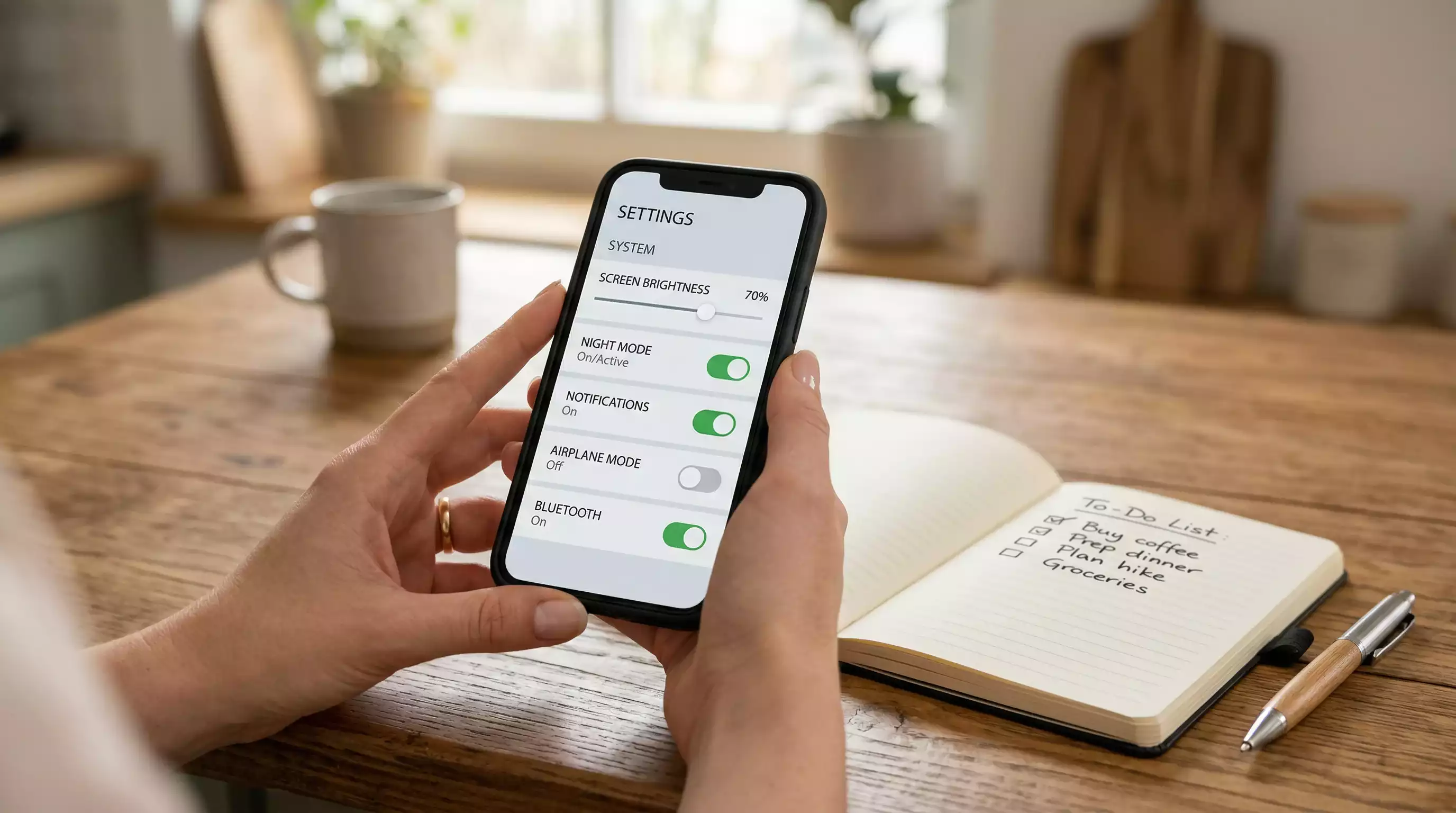
Enjoying the Sport Without Letting It Enjoy Your Bank Account
I have a friend who does not bet anymore. He used to love it — Saturday afternoons at the races, a Lucky 15 in his pocket, the roar of the crowd. Then it stopped being fun. He found himself checking odds at 2 am. He was chasing losses on Monday evening greyhounds he did not care about. He did not recognise the shift until his wife pointed out they had missed a mortgage payment. The story is not dramatic in the way films portray gambling problems — there was no single catastrophic moment. It was a gradual slide from entertainment to compulsion.
Seven percent of UK adults bet on horse racing during the festival season. The vast majority do so safely and enjoyably. But the tools and resources that exist to support responsible gambling are worth knowing about before you need them, not after.
Built-In Tools: Deposit Limits, Time-Outs, Reality Checks
Every UKGC-licensed betting operator is required to offer a suite of responsible gambling tools. Gambling Commission data shows that 42 percent of UK bettors rate their experience positively and 35 percent rate it neutrally — and these tools are part of the reason. They give you control over your betting before willpower becomes the last line of defence.
Deposit limits are the most important tool available to you. You can set a maximum daily, weekly, or monthly deposit amount that the operator enforces automatically. Once you hit the limit, you cannot deposit more money until the period resets. Increases to your deposit limit are subject to a cooling-off period — typically 24 hours — so that a decision made in the heat of a losing afternoon does not take effect immediately. Decreases to your limit take effect instantly.
Session time limits cap how long you can be logged into the app or website in a single sitting. When the limit is reached, you are logged out and cannot log back in for a set period. This is particularly useful for preventing the drift from one afternoon of planned betting into an evening of impulsive wagers on sports you do not follow.
Reality checks are periodic notifications — typically every 30 or 60 minutes — that pop up during your session. They tell you how long you have been betting and how much you have deposited. The interruption is deliberate: it breaks the flow state that can develop during sustained betting, giving you a moment to assess whether you are still enjoying the experience or simply continuing out of habit.
I set a deposit limit on every account I hold, including accounts I use for professional analysis. Not because I consider myself at risk, but because the limit removes a category of decision that I do not want to make under pressure. The best time to decide how much you can afford to lose is before you start betting, not when you are 50 pounds down and the next race is loading.
Self-Exclusion and GamStop: How It Works
Grainne Hurst, the Betting and Gaming Council’s Chief Executive, has emphasised that the overwhelming majority of customers bet safely and within their means — and that the focus should be on protecting the vulnerable rather than restricting everyone. Self-exclusion is the tool designed specifically for people who need to step away entirely.
GamStop is the UK’s free national self-exclusion scheme. When you register with GamStop, every UKGC-licensed online gambling operator is notified, and your accounts are closed or suspended for a minimum period of your choosing: six months, one year, or five years. During this period, you cannot open new accounts, deposit funds, or bet with any licensed UK operator. The scheme covers online gambling only — it does not apply to betting shops or racecourse betting, which have separate self-exclusion schemes.
Registration is straightforward and takes a few minutes. You provide your personal details, and GamStop matches them against operator databases. The exclusion takes effect within 24 hours for most operators, though some may take slightly longer. Once active, the exclusion cannot be reversed before the chosen period ends. At the end of the period, the exclusion does not lift automatically — you must actively request to return to gambling, and a further 24-hour cooling-off period applies.
Self-exclusion is not a sign of weakness. It is a practical tool for anyone who recognises that their relationship with betting has become unhealthy and wants a clean break. Some people use it once and return to gambling responsibly. Others use it as a permanent exit. Both are valid outcomes.
Where to Get Help: GamCare, BeGambleAware and Beyond
If you are concerned about your gambling — or about someone else’s — support is available from organisations that specialise in gambling-related harm.
GamCare operates the National Gambling Helpline and provides free, confidential support via phone, live chat, and email. Their services include counselling, group therapy, and financial advice for people affected by gambling. The helpline is available seven days a week, and live chat is accessible through their website.
BeGambleAware (formerly GambleAware) offers information, resources, and a treatment referral service. They fund research into gambling harm and provide educational materials for anyone who wants to understand the risks associated with gambling. Their website includes self-assessment tools that help you evaluate your own relationship with betting.
The Gordon Moody Association provides residential treatment for people with severe gambling problems. Their programmes last several weeks and offer intensive support in a structured environment. This is the option for people whose gambling has reached crisis level and for whom outpatient support has proven insufficient.
Citizens Advice and StepChange offer financial guidance specifically for people who are in debt due to gambling. If your betting has created financial problems, addressing the debt alongside the gambling behaviour is essential — one without the other is rarely effective.
I include this section in a guide about horse racing because the sport and the betting are inseparable. Enjoying one without managing the other responsibly is a risk that every punter should take seriously — not out of fear, but out of self-respect.
For a practical framework on managing your betting budget and setting staking limits that keep your gambling within comfortable boundaries, the bankroll management guide covers the financial mechanics.
Can I set a daily spending limit on my betting account?
Yes. Every UKGC-licensed betting operator is required to offer deposit limit tools. You can set daily, weekly, and monthly limits that the operator enforces automatically. Once your limit is reached, further deposits are blocked until the period resets. Decreases take effect immediately; increases are subject to a cooling-off period, usually 24 hours.
Is GamStop self-exclusion permanent or can I reverse it?
GamStop self-exclusion is not permanent by default. You choose a minimum exclusion period when you register: six months, one year, or five years. The exclusion cannot be lifted before the chosen period ends under any circumstances. When the period expires, the exclusion does not lift automatically — you must actively request a return, which triggers a further 24-hour cooling-off period before your accounts can be reopened.
Written by the editors at First bet Horse Racing.